
"Obesity is About Willpower" is a Misleading Statement.
-
The idea that obesity is simply about willpower is a common misconception.
-
This oversimplification fails to account for the complex and multifaceted nature of obesity. Here are several reasons why this affirmation is not true:

1. Genetics and Biology
-
Research has shown that genetics play a significant role in determining body weight. Some individuals are predisposed to gaining weight more easily due to inherited factors.
-
The body’s biological mechanisms, such as the regulation of hunger and metabolism, are influenced by hormones like leptin and ghrelin. Imbalances in these hormones can lead to increased hunger and reduced satiety, making weight management more difficult.

2. Environmental Factors
-
Modern environments often promote overeating and sedentary lifestyles. The availability of high-calorie, processed foods and a lack of opportunities for physical activity contribute significantly to obesity.
-
Socioeconomic status also plays a role. Individuals with limited access to healthy food options or safe spaces for exercise face greater challenges in maintaining a healthy weight.
3. Psychological and Emotional Factors
-
Emotional eating, driven by stress, depression, or anxiety, can lead to overeating. These behaviors are not simply a lack of willpower but are often coping mechanisms for deeper psychological issues.
-
Weight stigma and societal pressures can exacerbate mental health issues, creating a cycle that makes weight management even more challenging.

4. Medical Conditions and Medications
-
Certain medical conditions, such as hypothyroidism, polycystic ovary syndrome (PCOS), or Cushing’s syndrome, can lead to weight gain.
-
Some medications, including antidepressants, antipsychotics, and steroids, have side effects that cause weight gain, regardless of an individual’s willpower.

5. Behavioral Economics and Food Marketing
-
The food industry spends billions on marketing unhealthy foods, often targeting vulnerable populations, including children.
-
Behavioral economics shows that humans are influenced by cues in their environment, such as portion sizes, product placement, and advertisements, which can lead to overconsumption.
6. Addiction-Like Response to Food
-
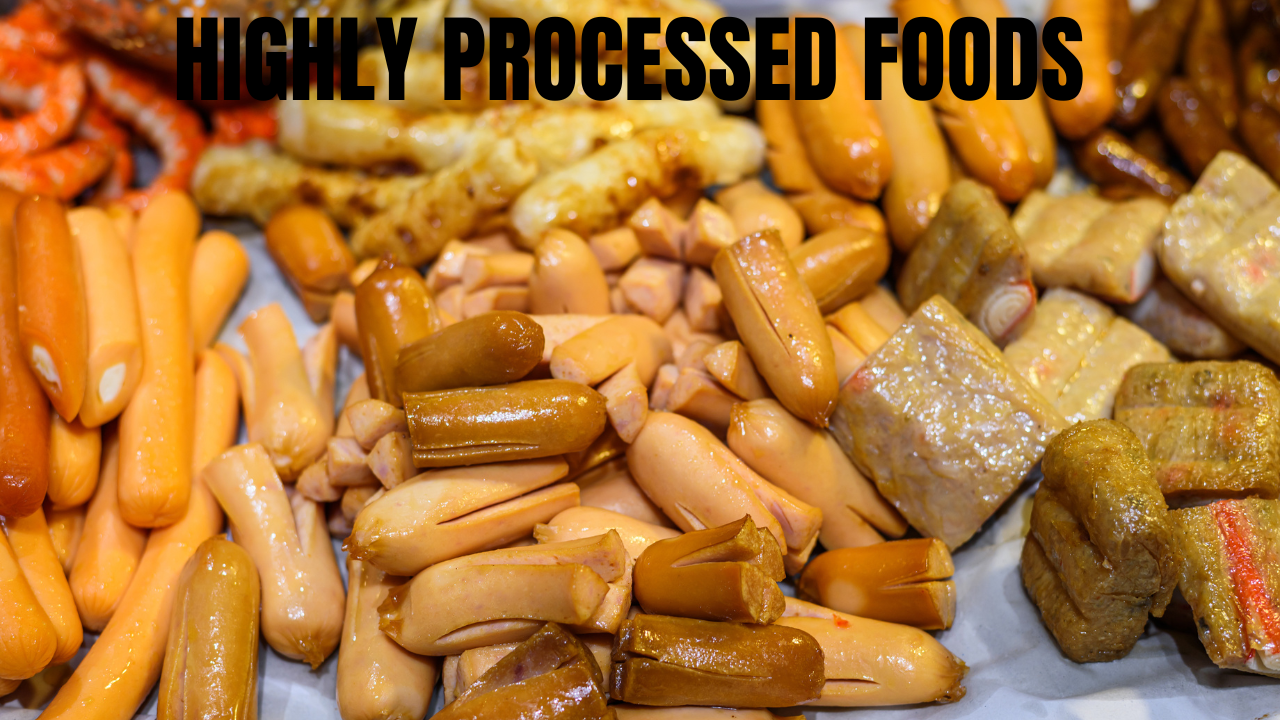
Studies suggest that highly processed foods high in sugar, fat, and salt can trigger addiction-like responses in the brain, making it harder for individuals to resist.
-
This physiological response undermines the idea that obesity is purely a matter of self-control.
7. Chronic Nature of Obesity
-
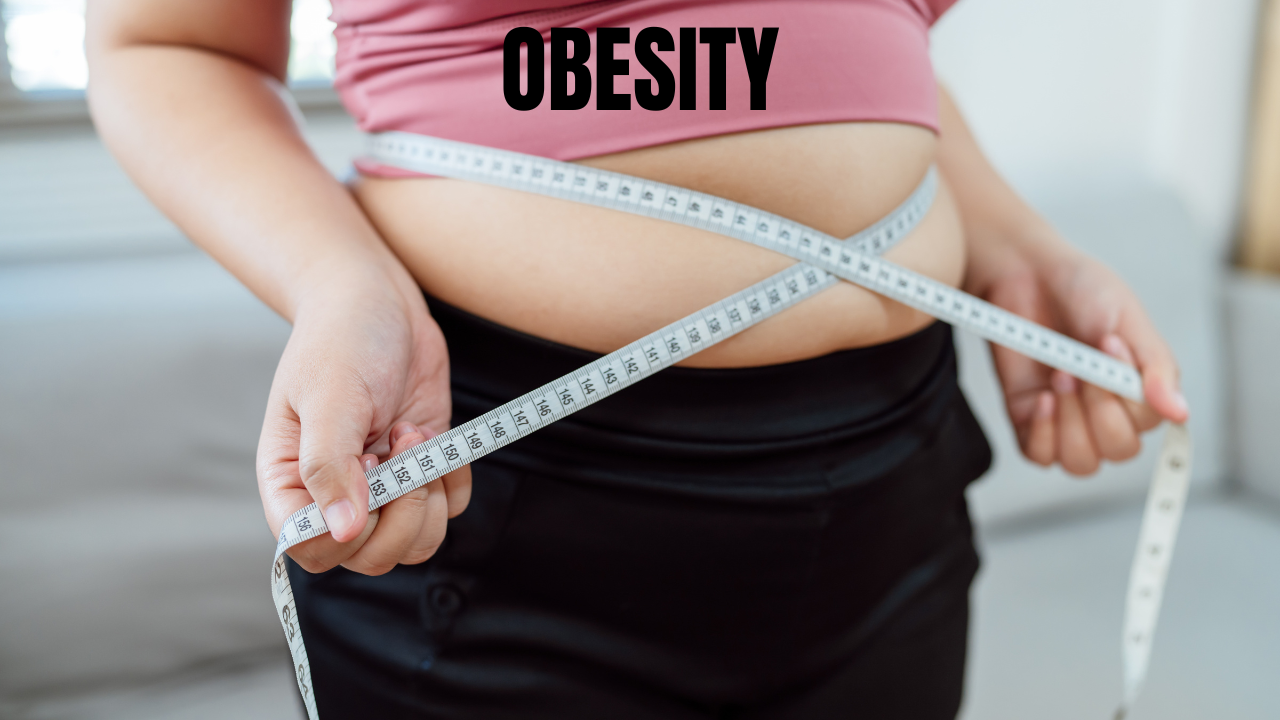
Obesity is a chronic condition, not a temporary state. Once weight is gained, the body adapts by lowering its basal metabolic rate, making it harder to lose weight and keep it off.
-
This biological defense mechanism against weight loss is not something that can be overcome by willpower alone.

Conclusion
-
The statement "Obesity is about willpower" ignores the complex interplay of biological, psychological, social, and environmental factors that contribute to obesity.
-
A more accurate understanding of obesity recognizes it as a multifactorial issue requiring comprehensive strategies for prevention and treatment, including medical support, lifestyle changes, and societal interventions.